
کاغذ کی پاک سفیدی پر
میں لکھنا چاہتی ہوں” جنگ لعنت ہے“
مگر یہ صفحہ کورا ہی رہتا ہے
اِس پر کسی بلکتی ماں کی آہ،
کسی ٹھٹھرتے بچے کی پکار،
یا مٹی میں سکتے، سسکتے جانور
سنائی ہی نہیں دیتے۔
میں حرف مٹا دیتی ہوں
لکھتی ہوں: ”خدارا یہ صفِ ماتم الٹ دو“
مگر یہ کاغذ کورا ہی رہتا ہے۔
اُس پر فقط امیرِ شہر کا قہقہہ،
منافع، خسارہ، اور تجارتِ خون
سیاہ رقموں کی صورت پھیلنے لگتے ہیں
بے زبان پرندے پانی کو ترستے رہتے ہیں
اور مجھ سے کچھ لکھا نہیں جاتا۔
پھر میں اپنی نسِ جاں کاٹ کر،
لہو میں تر انگلی سے لکھتی ہوں:
”مجھے نہیں مرنا“
مگر میرے الفاظ خالی ہیں
کاغذ پر خون لکھنا بہت دشوار ہے
قلم کا، سخن کا مقصد ہی پیار ہے
میں شاعر ہوں،
ریاست کی نظر میں منافق ہوں،
میں ان مسند نشین بھیڑیوں کی خاطر
کیوں مٹی کا رزق بنوں؟
کیوں میرے ہاتھ میں موت تھما کر
مجھے سرحد پار کسی معصوم کے قتل کا
شریکِ جرم بنایا جائے؟
سچ تو یہ ہے، مرے ہم وطن،
یہ لفظ موروثی طور پر خالی ہیں،
یہ گوشت اور خون کی تڑپ سے عاری ہیں۔
میں ان بے جان حرفوں سے ہی لڑ سکتی ہوں
سچ تو یہ ہے
میں مرنے مارنے سے ڈرتی ہوں
مگر جو مرنا ٹھہرے تو سنو،
میری نظم کو میرے سینے سے لپٹا دفنا دینا،
میرے حرفوں کو اپنے دل کی دھڑکنوں میں جگہ دینا۔
کہ گوشت کی موت، لفظ کی فنا نہیں ہوتی،
سچ کی پکار کبھی بے نوا نہیں ہوتی۔
مرے شہر کے امیروں سنو،
تم میرے قتل کو اپنی فتح مت سمجھو
بغاوتِ دل کی نماز کبھی قضا نہیں ہوتی
On Writing Poetry in Times of War (Translation)
On paper, pure and perfectly white,
“War is a curse,” is what I want to write.
But the page stays blank; it cannot show
A mother’s wail or a child’s woe.
The gasping animal in the dirt and mud
Won’t echo here, despite the blood.
I rub it out; I try again:
“For God’s sake, stop this funeral parade!”
But the page stays empty, cold and wide,
While the city’s rich men laugh inside.
Profit and loss, and the trade of gore
Black money stains the paper’s floor.
The birds are parched, the sky is dry,
And my pen sits idly by.
So I slit the vein of my soul,
And with a crimson finger, I try again:
“I do not wish to die,” I solemnly plead,
But hollowed are the words I bleed.
To write in blood is a heavy, daunting chore
For the Soul of Speech was meant for Love, not war..
The State might think I’m “one of them,”
A poet they can use or condemn.
But why should I feed the hungry ground,
For wolves tear velvet thrones,
And bloodhounds gnaw marrow from bone
Why should I take a gun and go
To kill a stranger across the border I do not know?
Why should I be a partner in crime,
And murder innocence before its time?
The truth is this: all words are born in vain,
Inherently void, and distant from pain.
From the agony of flesh, they stand apart
They cannot echo a convulsive heart.
I’m scared to die, and scared to think.
I’m scared to kill, and scared of the end,
That is the short and the long of it, my friend.
But if my end is destined by their sullied hand,
Then hear my final, desperate command
Bury my poem wrapped to my chest,
And let my words within your heart rest.
For though the flesh may rot and life may flee,
The Word is spared from all mortality.
O masters of the city, hear me plain
In my murder, you have nothing to gain.
The heart’s rebellion is a prayer so vast
Its sacred timing is never past.
Translation note:
The Sneeze That Never Arrives
I have had to grapple with translation very early on in my creative life. It is a quiet, persistent tension. In Pakistan, many “elite” literary spaces still struggle to accept Urdu or regional languages on their own merit, which is a heartbreak and a shame. I often find myself asking: why must we speak in the colonizer’s language to be taken seriously as poets in a region that breathes through the rich, ancient lungs of Urdu literature?
My process is physical. I write the way I speak. I repeat lines out loud, pacing my room, until the syllables settle into a rhythm until they feel and taste “right” in the mouth. That is how I know a poem is working. Translating my own work, then, often feels like a betrayal that is somatic, like being suspended mid air, a sneeze that never arrives. The dissatisfaction of the almost, the friction of the two tongues. My heart knows the way but the language is unyielding in my mouth, barring the door. I try to do the same with English. I read it aloud, again and again, tasting the words but they do not taste as sweet as Urdu. Nothing tastes as sweet as Urdu.
In جنگ میں جوازِ سخن (On Writing Poetry in Times of War), I confront the “hollowness” of words. Here, translation feels like a struggle against the silence of the State. Writing in the language of the masters of our country often feels like trading in the “black money” I describe in the poem, a trade of gore and profit. Urdu is where I bleed. English is where I am forced to explain the blood. I’ve been fortunate to read my work aloud to audiences, and the difference in response is visceral. When Urdu is spoken to an audience, the room almost pulsates with an intimacy. Delivering English on the other hand, to the same audience of Punjabi, Pashtun and Baloch people creates an artificial, manufactured void. For a long time, self-translating my work has felt like bartering parts of my being in exchange for a platform, a voice, a chance to be heard, even if the words spoken aren’t really my own. Making my way back to speaking my own language, tasting my own words in my mouth has felt like finally, finally coming home.
Bio note:
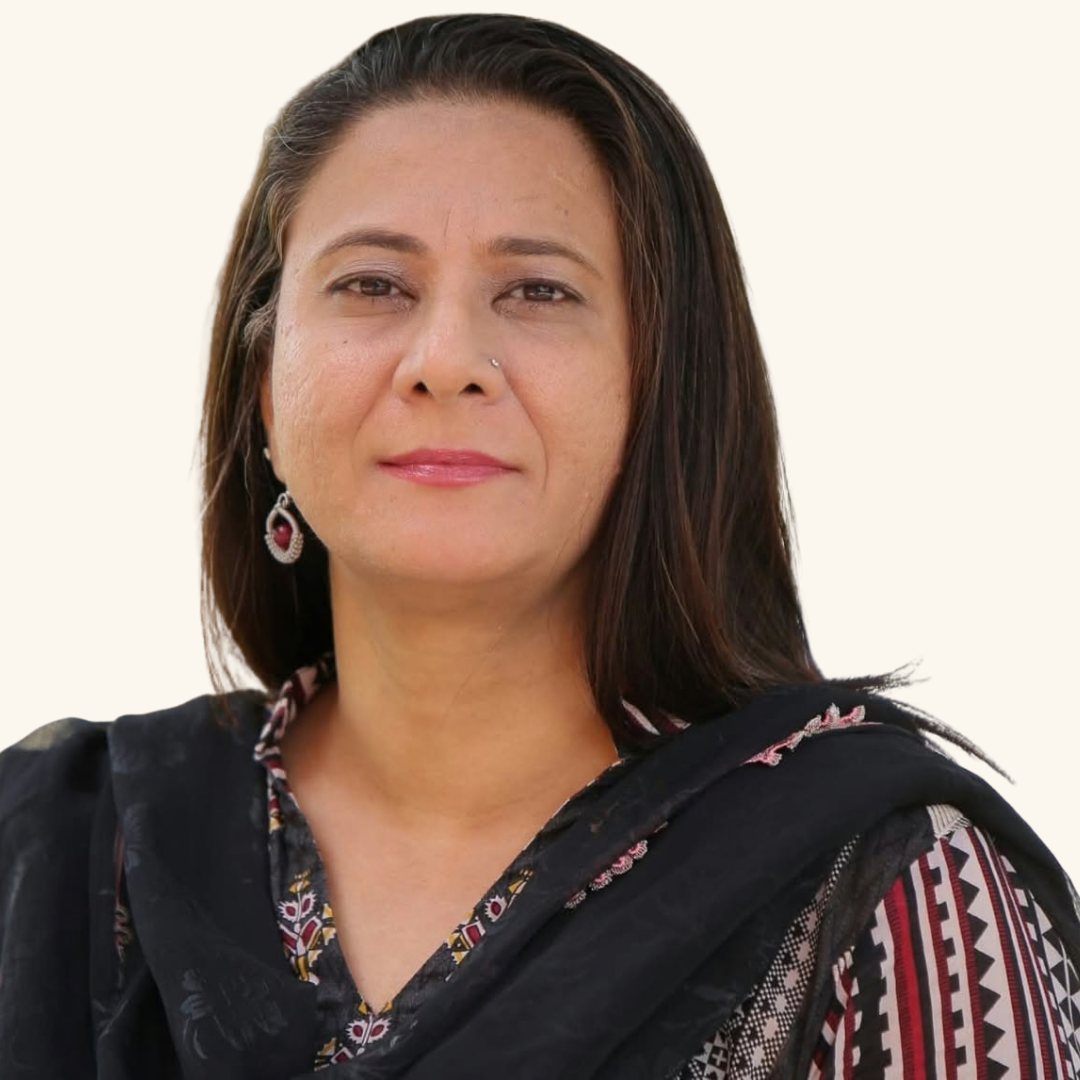
Malaika Rai is a Lahore-based poet and Clinical Psychologist.She holds a Master’s in Clinical and Counselling Psychology from Beaconhouse National University and currently serves as a Peer Support Associate at LUMS. Her work explores the visceral intersections of feminism, human rights, and the psychological landscape of personal experience. A consistent writer for the multilingual Canadian magazine De L’absurde, she has also performed her poetry at Lakeer Khanaiyan, and Beech Ki Bethak, Olomopolo. Her work is featured or upcoming in Lakeer Magazine, The Aleph Review and Borderless Journal. Her poetry has also been translated into Hindi for Gol Chakkar India.