
بند آنکھیں ہوئیں اک جہاں کھل گیا
راز تھا اب تلک جو نہاں کھل گیا
ایک یادِ اذیّت جو دل توڑ دے
جسم چھلنی کرے روح جھنجھوڑ دے
ایک تصویر جس کے کئی رنگ ہیں
لفظ جس کی خموشی پہ خود دنگ ہیں
ایک آواز جس کو ہوا لے چلے
پھر نہ لوٹے کبھی گر قضا لے چلے
ایک نمبر جو فہرستِ ڈائل میں ہے
تب تلک زندگی کے مسائل میں ہے
یاد و تصویر و آواز و نمبر ہی ہے
وقعتِ آدمی ان سے بڑھ کر بھی ہے؟
A Man’s Worth
When my eyes closed forever, a new world opened to me
The secret that was hidden til now, is revealed
An agonizing memory breaks my heart
Pierces the body, shatters the soul
A colorful picture with many facets
Holds a silence that leaves words in awe
A voice carried away by wind
Never returns once overcome by death
A number as long as it remains in the dial list
Stays tangled in the humdrum of life
A memory, a picture, a voice and a number
Is a man’s worth anything beyond these?
Translation note:
For the translation of my poem “Wuqqat e Admi” (A Man’s Worth), I rewrote each and every line of the poem as a sentence and then tried to translate that sentence into English one by one. As a poet of my native language, Urdu, writing prose has never been as easy for me as composing a poem. If we translate a poem into a non-native language, it becomes prose automatically. For a poetic translation, one should have a command of both languages, unfortunately, which I don’t have. The most painful thing for the poet is to see his poetry as prose, and far more painful than that, when nobody understands the poem. To save myself from the second painful thing, I decided to bear the first one.
I believe that as a poet, some poetic elements should remain open to the reader’s imagination. This poem was supposed to begin with the second couplet, but when I began translating it, I realised that readers would be confused from the first couplet to the fifth. To eliminate this confusion, a new couplet was added at the beginning to make it clear that a person realises the man’s worth at the time of his death.
This whole process taught me that there is absolutely no connection between the difficult words and deep and meaningful prose. You can convey your message in the simplest words possible. Translating your work can also help you understand your craft from a whole new perspective.
Every language has its own simplicities and complexities. The idioms in one language do not make sense if translated into another language. Languages not just represent different cultures but also different perspectives. For example, in my poem, the Urdu word “Wuqqat” has many meanings other than worth, such as respect, dignity, regard, prestige, weight and force. On the contrary, the translated word “Worth” is more specific, i.e. value, price of something or the level at which someone or something deserves to be valued or rated. Sometimes, literal translation can be problematic as per the rules of grammar, or it is also possible that a translated sentence does not sound good while reading. For instance, the literal translation of the first line of the last couplet is “Memory and picture and voice and number”. It is correct, but it does not sound correct.
I realised that, as a poet or writer, it is essential for him or her to understand the geography, culture, and environment of his/her readers. In this poem, I tried to convey an emotional message that as long as a man’s contact number is in people’s dial list, it means there are people who care about him, and he is still fully alive. However, when I translated it, perhaps the emotional impact was reduced for the readers from the part of the world where making a phone call becomes less common or even obsolete.
In conclusion, one should never consider oneself the master of one’s craft. Literature of every language is an iceberg; what you know is a drop, what you do not is an ocean. To build a connection with the readers worldwide, translating your craft into non-native languages is essential. We all have the fear of being misunderstood, but what if just one reader understands our message? It will be worth trying.
Bio note:
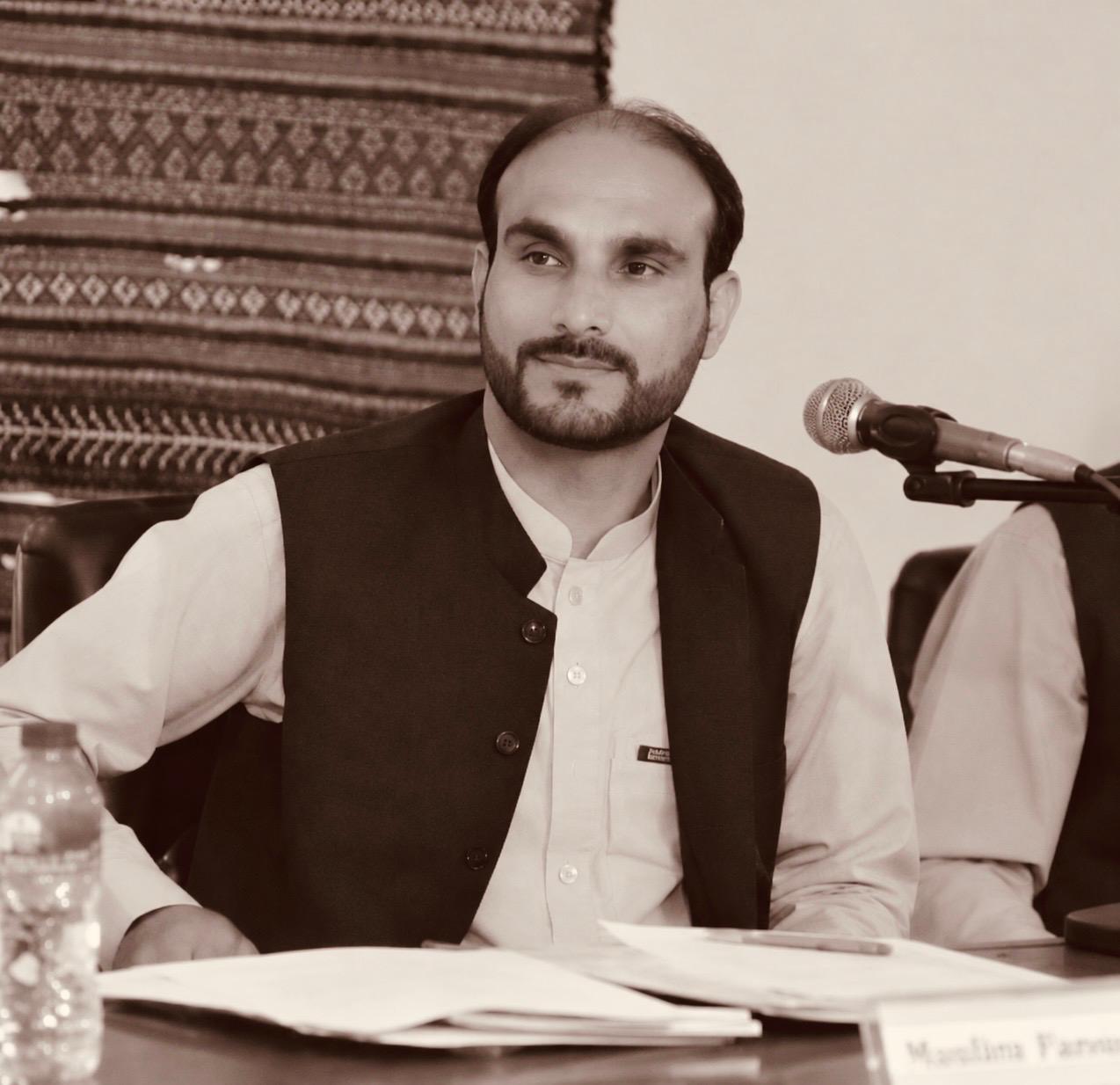
Zarrar Haider is a full-time software engineer and a part-time writer/poet. He wrote thriller stories in Pakistan’s best-selling digest “Jasoosi Digest”. His various ghazals were published in “Naey Ufaq Digest” and “Mahnama Bayaz”. He also wrote many children’s poems for the newspaper “Talib-e-Nazar”. In 2023, he graduated from the University of Management and Technology, Lahore, with a Bachelor’s degree in Artificial Intelligence. During his student years, he penned an article on child abuse for the university’s magazine. Currently, he is working on a novella about a man and his spiritual journey. Alongside his professional career, he continues to pursue his passion for writing.